
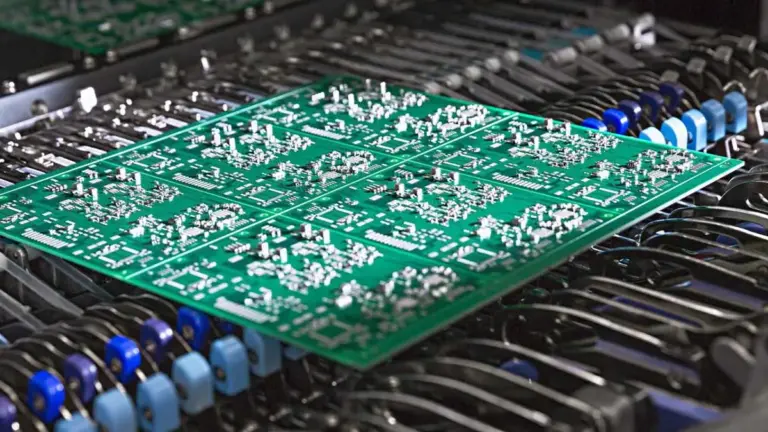
PCB Depaneling Machine Maintenance: Reduce Downtime with the Right Spare Parts Strategy
Build a practical PCB depaneling spare-parts strategy using criticality, lead time, failure history, preventive replacement, and controlled inventory.


Seprays – Bietet professionelle Lösungen für PCB/FPC-Depaneling-Maschinen. Hier im Blog finden Sie die neuesten Informationen und Programminformationen zu Depaneling-Maschinen. Folgen Sie uns und starten Sie gemeinsam mit uns in die intelligente Fertigung.
Build a practical PCB depaneling spare-parts strategy using criticality, lead time, failure history, preventive replacement, and controlled inventory.
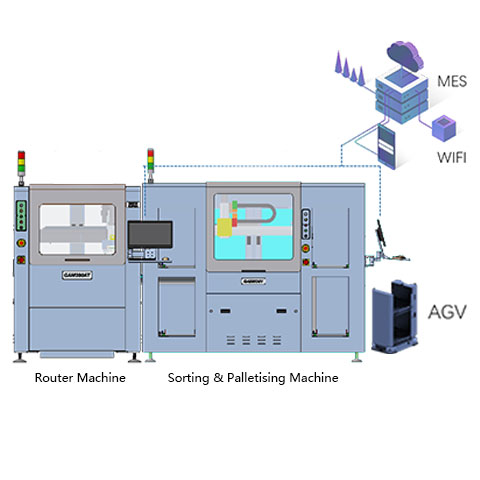
Learn how spindle runout, speed, balance, cooling, collet condition, and maintenance affect PCB routing accuracy, edge quality, and router-bit life.
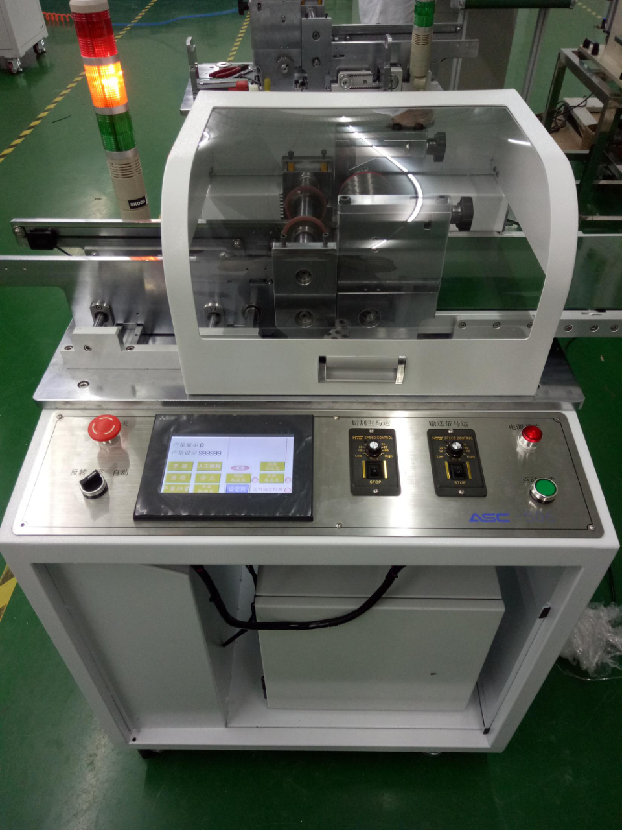
Choose PCB router bits by material, diameter, flute geometry, cut direction, spindle capability, feed, dust extraction, and quality requirements.
Build a PCB depaneling preventive-maintenance plan for spindles, tools, extraction, vision, motion, fixtures, safety, and software backups.
Evaluate PCB depaneling accessories by their effect on yield, cycle time, tool life, traceability, maintenance, safety, and total ownership cost.
Learn how source capture, airflow, filters, seals, hoses, maintenance, and monitoring help PCB depaneling vacuum systems control dust.
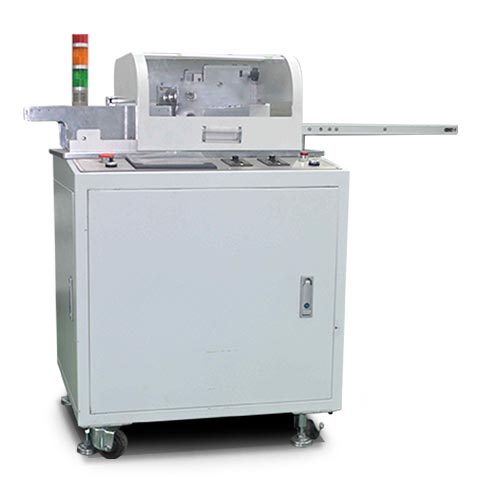
A practical guide for EMS factories to standardize PCB separation recipes, fixtures, traceability, quality checks, and changeovers across automated systems.
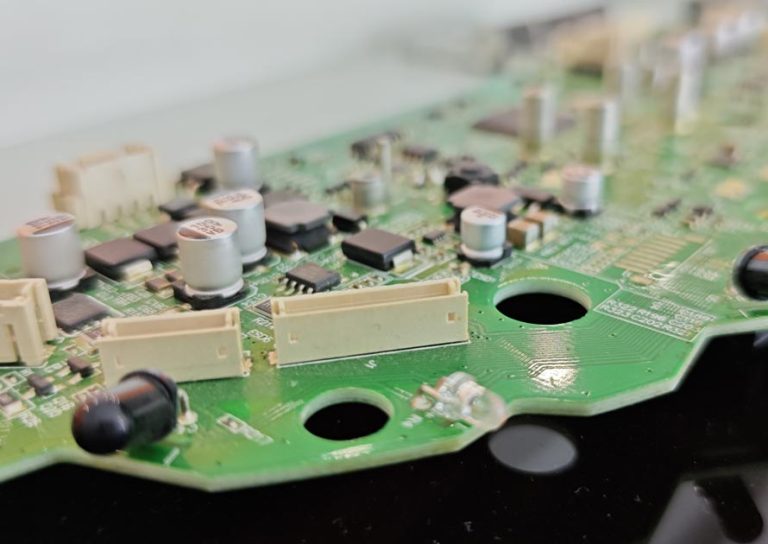
Learn how automatic PCB depaneling equipment reduces handling labor, balances SMT takt time, and raises throughput without sacrificing cut quality.
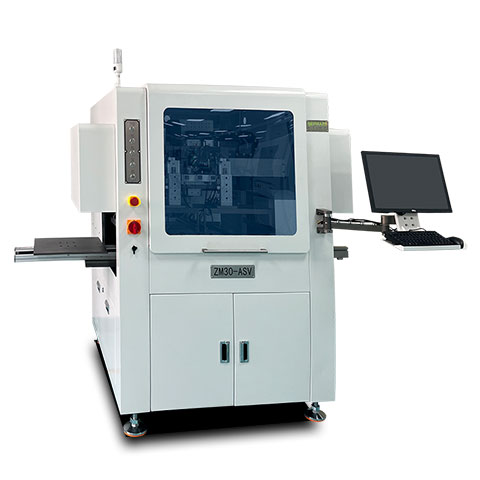
Learn when v-groove pcb depaneling is the right choice for led production, how it cuts cost per panel, and how to avoid stress, burrs, and unstable output.
Plan reliable 24/7 PCB depaneling with preventive maintenance, tool monitoring, buffers, traceability, spare parts, and stable automated handling.
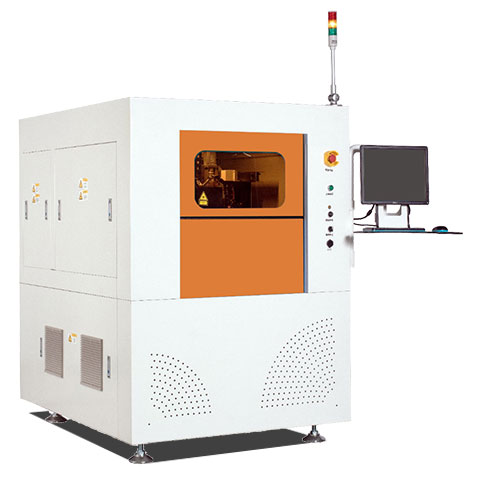
Use a pcb laser cutting machine if you are running high-mix production, dealing with High-Density Interconnect (HDI) flex, or if your primary goal is achieving a 99.9% yield rate with absolute zero mechanical stress.
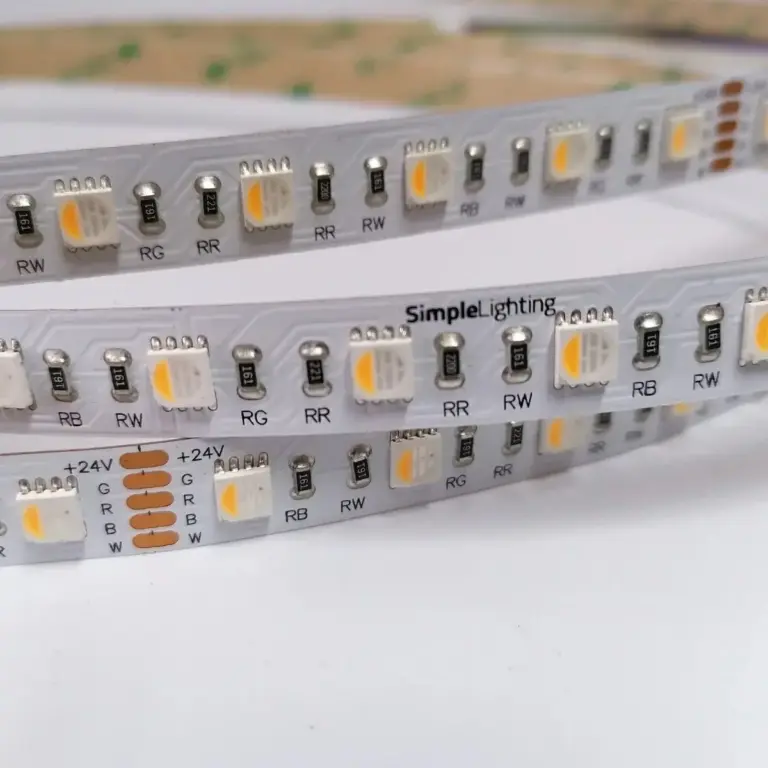
It all comes down to your specific production volume and how much 'real estate' you’re working with on the board. Let’s break down what actually fits your workflow.